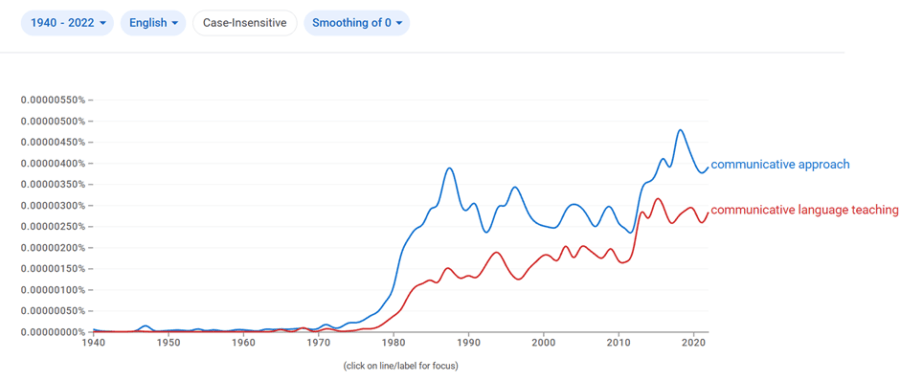
Identifying such origins is, arguably, important, because they reveal early understandings of the implications and practicability of this big idea in the classroom, shedding light onto the “significant paradigm shift” (Thornbury, 2016, p. 224) that was about to take place and defining what CLT became (both in theory and practice) and its subsequent longevity.
Category: Applied linguistics
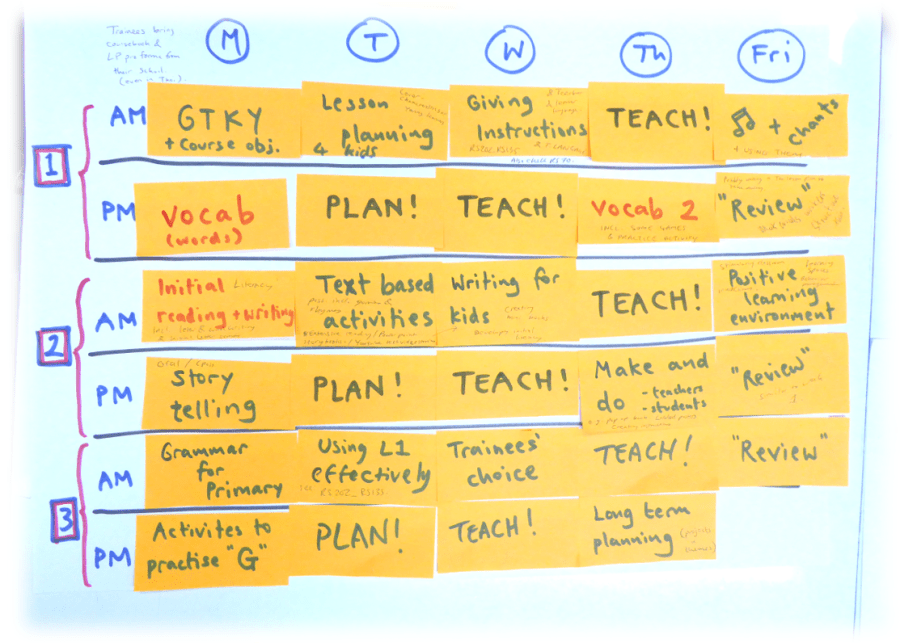
Narratives in teacher learning
Jason Anderson and Jaber Kamali We think of life almost as one thinks of a work of fiction: we have one or many plot lines; we are a character in our own stories; others become characters in our stories; we live our stories in cultural and social settings that shape the stories we live and…… Continue reading Narratives in teacher learning

Methodological monocultures or ecosystems? A few reflections and cautions on an IATEFL plenary
I very much enjoyed Neil McMillan’s witty and creative plenary on the last day of the IATEFL Edinburgh Conference (McMillan, 2025), in which he lamented the lack of interest in methodology in recent IATEFL plenaries and made a convincing case for task-based language teaching (hereafter TBLT). I shared his shock that a key icon in…… Continue reading Methodological monocultures or ecosystems? A few reflections and cautions on an IATEFL plenary

On the Origins, History and Understanding of Test-Teach-Test in English Language Teaching
Test-teach-test is one of a number of lesson planning frameworks that are taught widely on short certification courses for English language teaching (ELT), such as the Cambridge CELTA and the Trinity CertTESOL. There are numerous overviews of it on internet blogs (e.g., British Council, n.d.), YouTube videos (e.g., Bolen, 2022) and in guides for such…… Continue reading On the Origins, History and Understanding of Test-Teach-Test in English Language Teaching

Empathetic observation
I sometimes think that educational researchers, particularly applied linguists, would benefit greatly from taking occasional time out from their work to engage in what we might call ‘empathetic observation’. It’s rather a simple idea: An academic shadows a teacher at their place of work for a few days to learn as much as possible from…… Continue reading Empathetic observation

The myth of a theory-practice gap in education
…what is actually being invoked is a difference between what we might call ‘academic theory’ and ‘practitioner theory’, and that is a very different type of gap…

“Reading aloud”: What it’s really called and why it’s essential to formal language learning
It’s an often unchallenged mantra of many ELT writers, methodologists and commentators that ‘reading aloud’ is an ineffective or misguided practice in English language classrooms (e.g., Wilson, 2019; also see this recent Twitter discussion). This mantra is frequently propagated by trainers on generic initial certification courses designed for teachers of adults, such as the Cambridge…… Continue reading “Reading aloud”: What it’s really called and why it’s essential to formal language learning
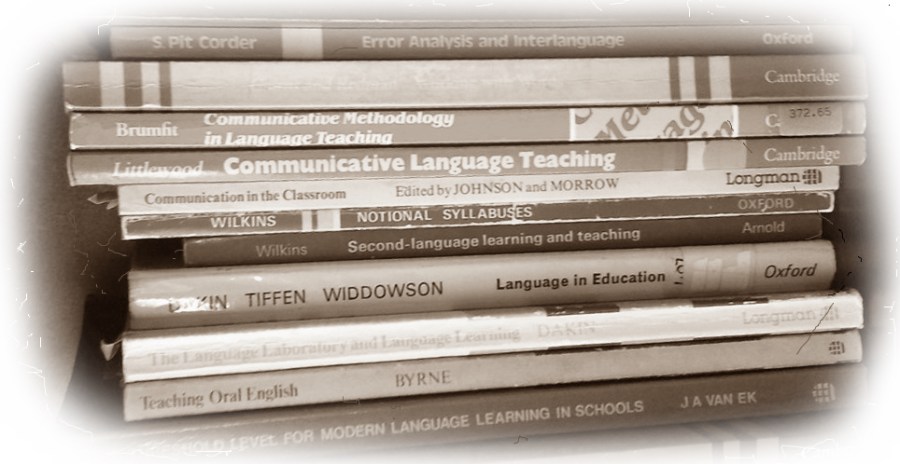
The beliefs they had
“Wait. Let me just get this straight,” Barsha looked incredulous. “You’re saying that they believed that the materials that had been created specifically for the students weren’t authentic, but any text that wasn’t created with the students’ needs in mind was considered ‘authentic’, and better, as a result?” “Yes. At least some of the writers…… Continue reading The beliefs they had
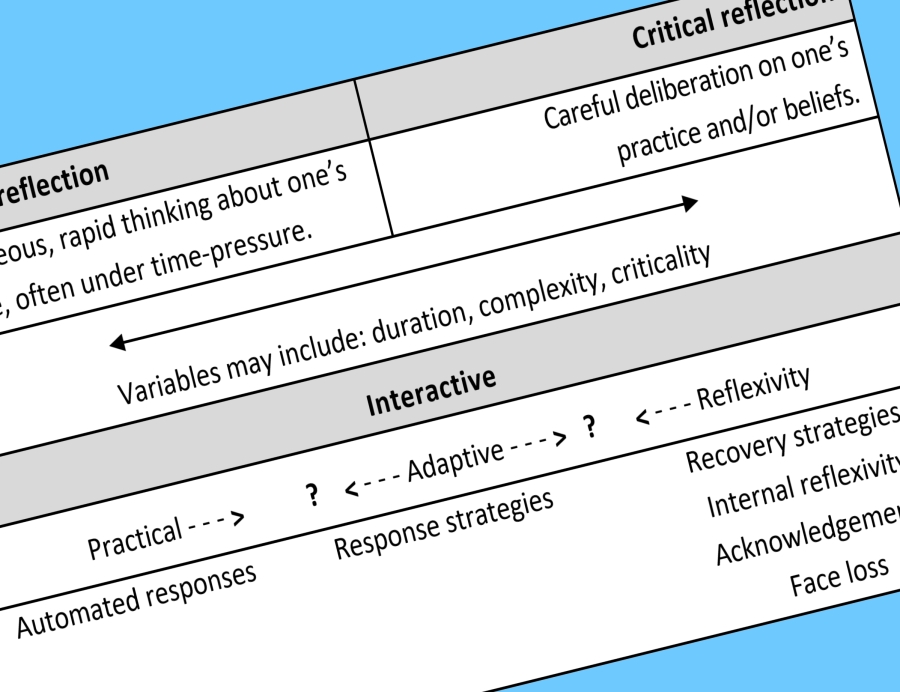
Can teachers learn from interactive reflection? A study into Schön’s reflection-in-action
Reflection-in-action is a highly influential, yet often misunderstood construct that is central to Donald Schön’s epistemology of practitioner learning (Schön, 1983, 1987). Particularly in the field of teaching it has often been understood to mean simply ‘thinking on one’s feet’ (e.g., Francis, 1995). Yet, within Schön’s epistemology, its importance was much more than this, as…… Continue reading Can teachers learn from interactive reflection? A study into Schön’s reflection-in-action

On the origins of ‘jigsaw’ and ‘information gap’
This blog reports on research I conducted into two widely used terms in communicative language teaching; ‘information gap’ and ‘jigsaw’, as part of a wider research project for my book Activities for Cooperative Learning in the Delta Publishing Ideas in Action Series, and my work on a taxonomy for jigsaw activities, presented in this article…… Continue reading On the origins of ‘jigsaw’ and ‘information gap’
 Jason Anderson